Why Did I Get an Ankle Sprain Out of Nowhere
One minute your ankle feels fine. The next, it’s sore, swollen, or weirdly unstable, and you can’t remember “doing” anything to it. That can feel random, but most ankle sprains have a trigger, even if it was tiny.
This post is informational only, not a diagnosis. If the pain is strong, worsening, or you can’t walk normally, get checked by a qualified clinician.

Your ankle may have twisted without you noticing
An ankle sprain happens when the ankle rolls or twists far enough to overstretch the strong bands that support it. Sometimes it’s obvious, like stepping off a kerb badly. Other times, it’s so quick that your brain barely records it.
Common “almost nothing” moments include:
Stepping on an uneven tile
Walking on sand or loose gravel
Missing the edge of a step
Turning quickly while carrying bags
Landing awkwardly during a workout
Wearing shoes that don’t support your foot well
In Dubai, this can happen easily between polished floors, gym classes, uneven outdoor paths, and softer ground near beaches or parks.
Old ankle sprains can come back to bother you
If you’ve sprained the same ankle before, it may not be as steady as it used to be. Even after the swelling goes down, the ankle can stay weaker or less balanced if it wasn’t fully rehabbed.
That’s why some people say, “My ankle just gave way.” It didn’t fail for no reason. It may have been dealing with leftover weakness from an older injury.
Health guidance from public medical services commonly recommends gradual movement and strengthening after a sprain, not just rest forever. Rest helps early on, but strength and balance help stop the same problem from repeating.
It might not actually be a sprain
Not every sudden ankle pain is an ankle sprain. A few other issues can feel similar at first.
You might be dealing with:
Tendon irritation
Pain around the back, side, or front of the ankle that builds after walking, running, or climbing stairs.
Joint irritation
A stiff, sore feeling after a busy day, especially if the ankle has been overloaded.
A small fracture
This is less common, but it matters. If you can’t put weight on the foot, or there’s sharp bone pain, don’t wait it out.
Inflammation after overuse
A long walk, a new class, or standing for hours can cause swelling later, even if nothing hurt at the time.
What to do in the first 24 to 48 hours
If the pain is mild and you can walk, keep things simple.
Try this:
Rest from painful activity
Don’t push through sharp pain.
Use cold packs
Wrap the cold pack in a towel and use it for short periods.
Elevate the ankle
Raise it when you’re sitting or lying down.
Move gently
Small pain-free movements can help stiffness.
Avoid heat and hard massage early
If it’s swollen, these can make it feel worse.
Get medical help sooner if there’s severe swelling, numbness, a visible change in shape, pain over the bone, or you can’t take a few steps.
When physio can help
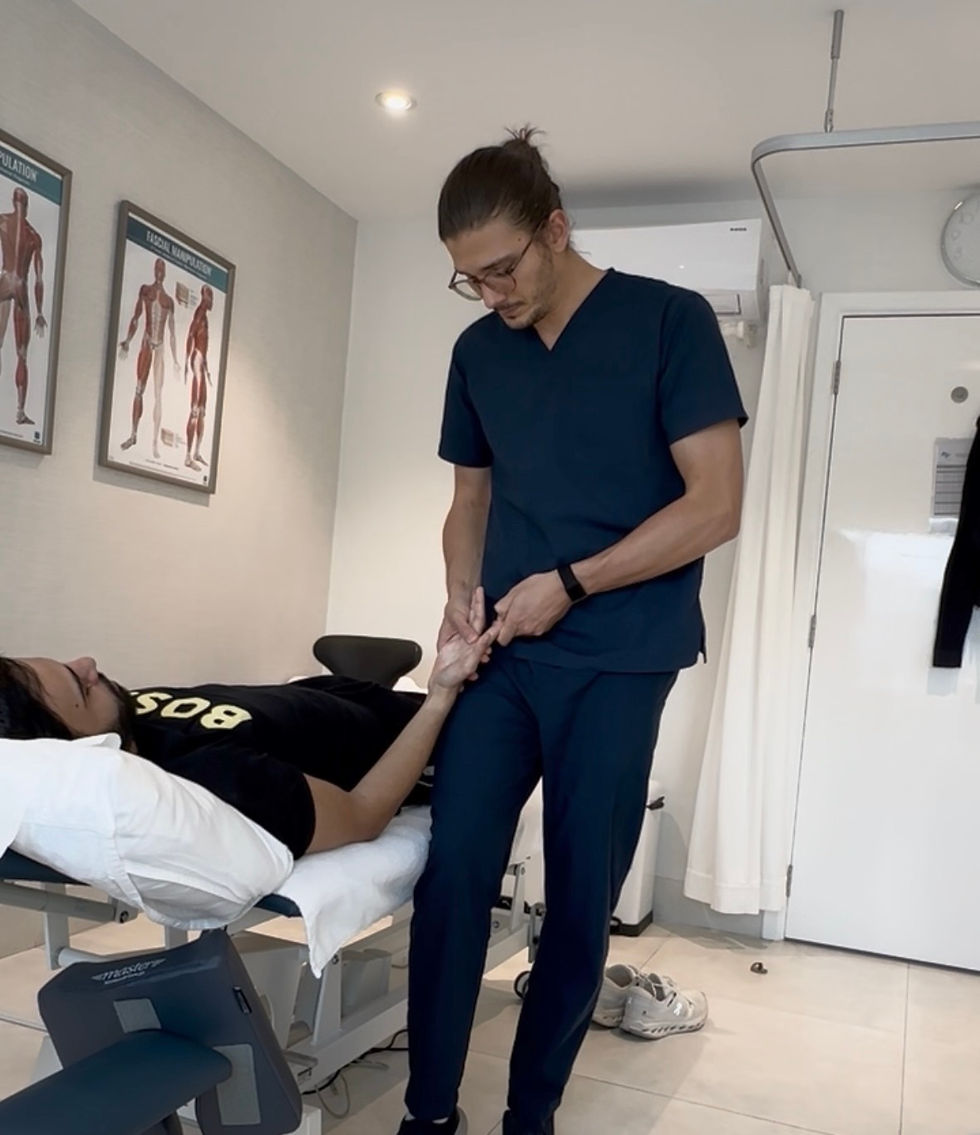
If the ankle keeps rolling, swelling returns, or pain lasts more than a few days, a physiotherapist can check how the ankle moves, how strong it is, and whether your balance has been affected.
This is where ankle pain, physio dubai, physiotherapy in dubai searches often come from. People aren’t just looking for pain relief. They want to know why it happened and how to stop it happening again.
Physical therapy may include strength work, balance drills, fascia release, nervous system regulation, and a gradual return to sport or daily activity.
The takeaway
An ankle sprain rarely comes from nowhere. It often comes from a tiny twist, old weakness, tired muscles, poor footing, or a past injury that never fully recovered.
If it’s mild, protect it and move gently. If it’s painful, swollen, repeated, or stopping you from walking normally, get it checked. Guessing is frustrating, and ankles are much easier to treat when you know what’s actually going on.


Comments