Chronic Shoulder Pain: A Nervous System Perspective
Updated: 2 days ago
The shoulder is one of the least stable joints in the body — a shallow socket that depends heavily on the nervous system, not just muscles, for control and stability. When proprioception (the body's sense of joint position) is disrupted, shoulder pain and instability can follow, even without a structural injury.
A few overlooked sources of this disruption:
Vaccination scars on the shoulder in some patients could create a small "proprioceptive hole" — the skin receptors in that spot no longer send the same signals to the nervous system, which can subtly affect shoulder control over time.
Restrictions in the elbow pit from repeated injections or blood draws can tighten the fascia running up the arm, indirectly limiting how freely the shoulder moves and how well it's sensed by the nervous system.
Gallbladder issues are a classic source of referred shoulder pain — irritation near the diaphragm can travel through the phrenic nerve and show up as pain at the tip of the shoulder, with no shoulder problem at all.
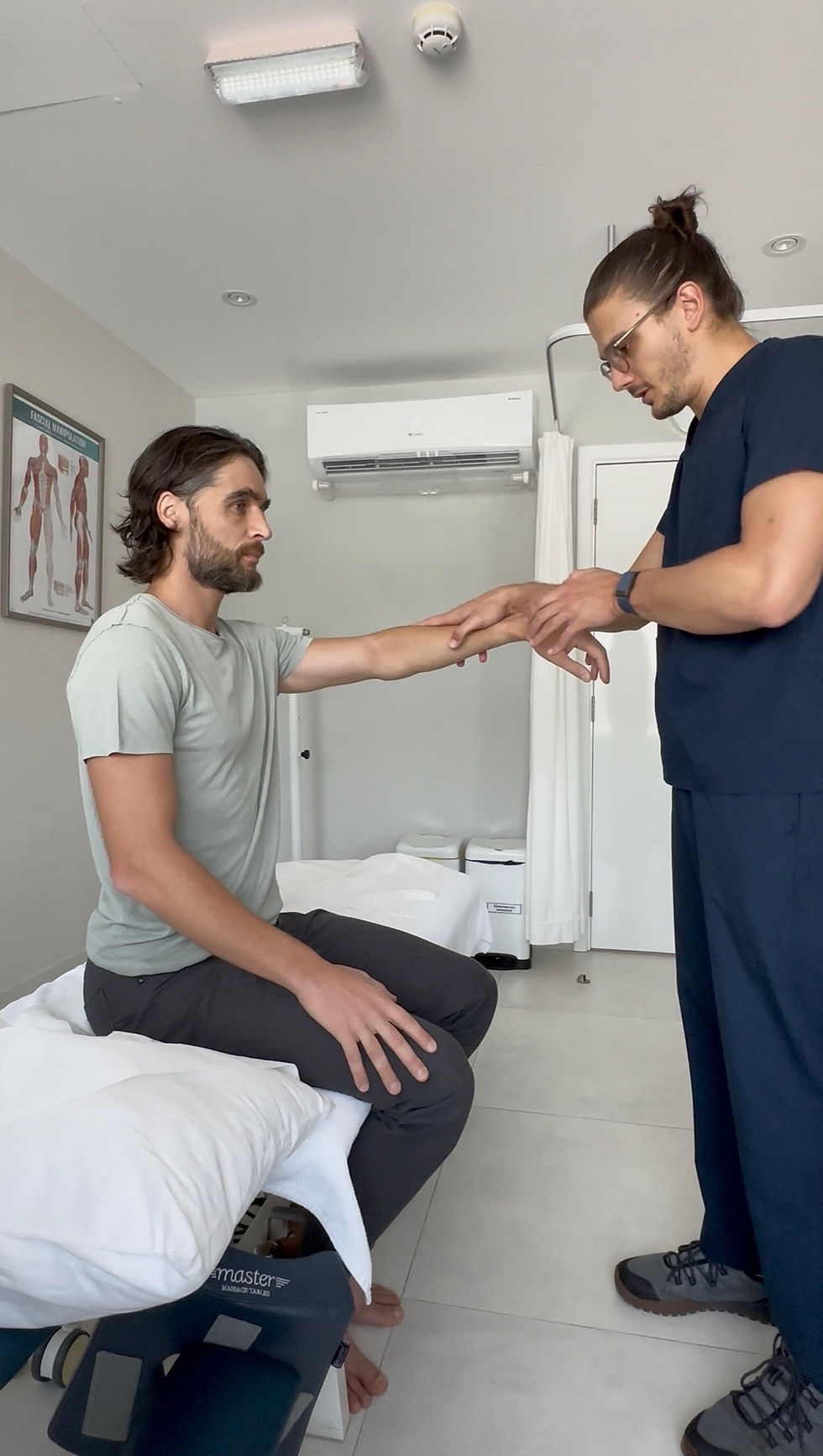
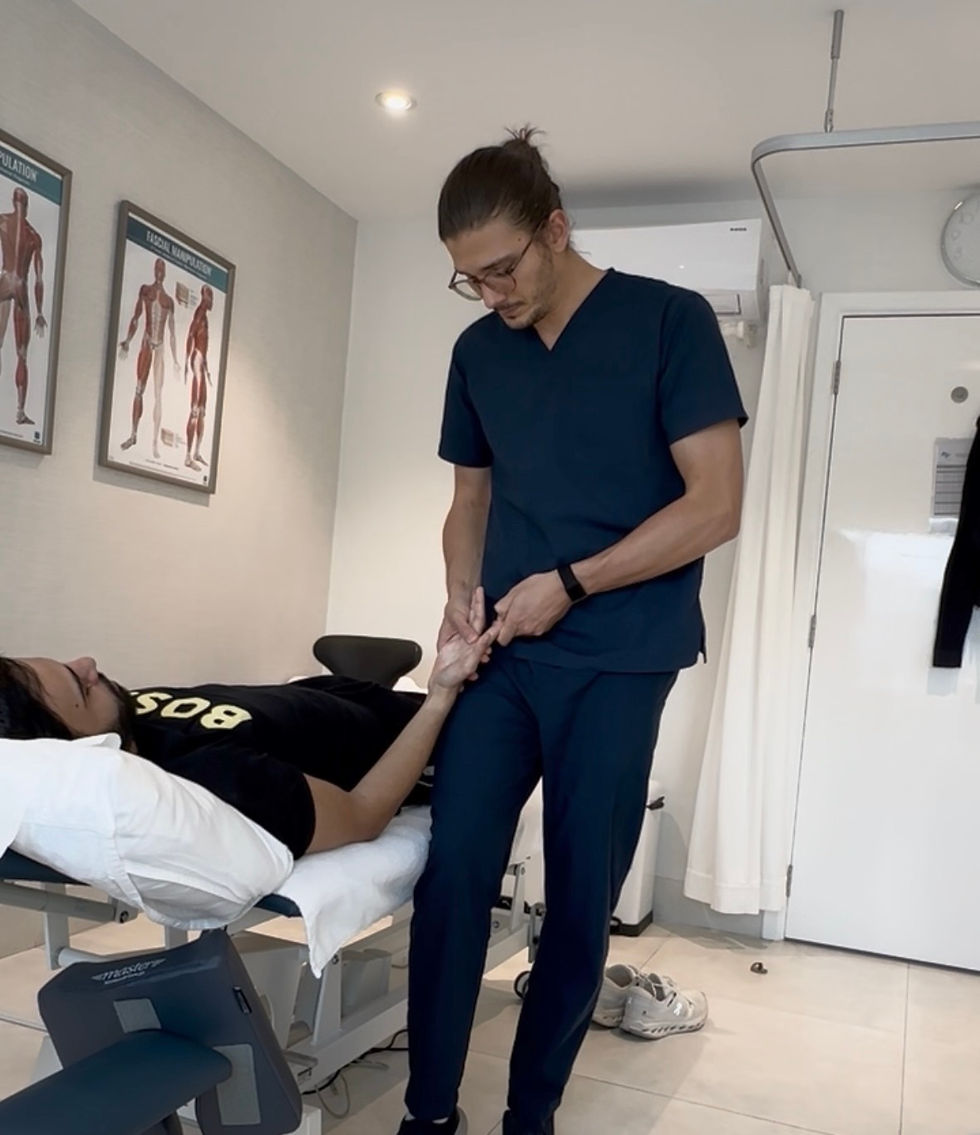
This is why shoulder pain treatment shouldn't stop at the joint. A full nervous system and fascial assessment often finds the real source faster than exercises alone.
Personalized home physiotherapy and manual therapy for shoulder pain, neck pain, sciatica and musculoskeletal conditions in Jumeirah, Dubai. Licensed physiotherapist — physiotherapy in Dubai, physio Dubai, physiotherapy in Jumeirah.


Comments