Back Pain After Appendix Removal Causes and When to Seek Help
Back pain after appendix removal is common, but it should improve. Mild pain in the first few days often comes from surgery, rest, or body position. Pain that gets worse needs attention.
This post is for information only. It does not replace advice from a doctor or surgeon.

Why back pain can happen after appendix removal
Appendix removal, also called an appendectomy, affects more than the small area where the appendix was removed. Your body may tighten muscles around the belly to protect the sore area. This can strain the lower back.
Common causes include:
Gas used during keyhole surgery Gas can irritate areas inside the abdomen. This may cause aching in the upper back or shoulder.
Resting in one position Lying in bed for long periods can stiffen the lower back and hips.
Changed walking posture Many people bend forward after surgery to protect the wound. This can overload the back.
Constipation Pain medicine and reduced movement can slow the bowel. Straining can increase back and belly discomfort.
Muscle tension Coughing, moving carefully, or getting out of bed with poor technique can trigger back pain.
How to ease back pain safely
Start with simple steps unless the surgeon gave different instructions.
Walk little and often during the day
Change position every hour while awake
Use pillows to support the knees or side sleeping position
Drink enough water
Eat fibre-rich foods if allowed
Take prescribed pain medicine as directed
Avoid heavy lifting, twisting, and sudden bending
Do breathing exercises, gently working with the diaphragm
Start gentle scar mobilisation once the scabs fall out
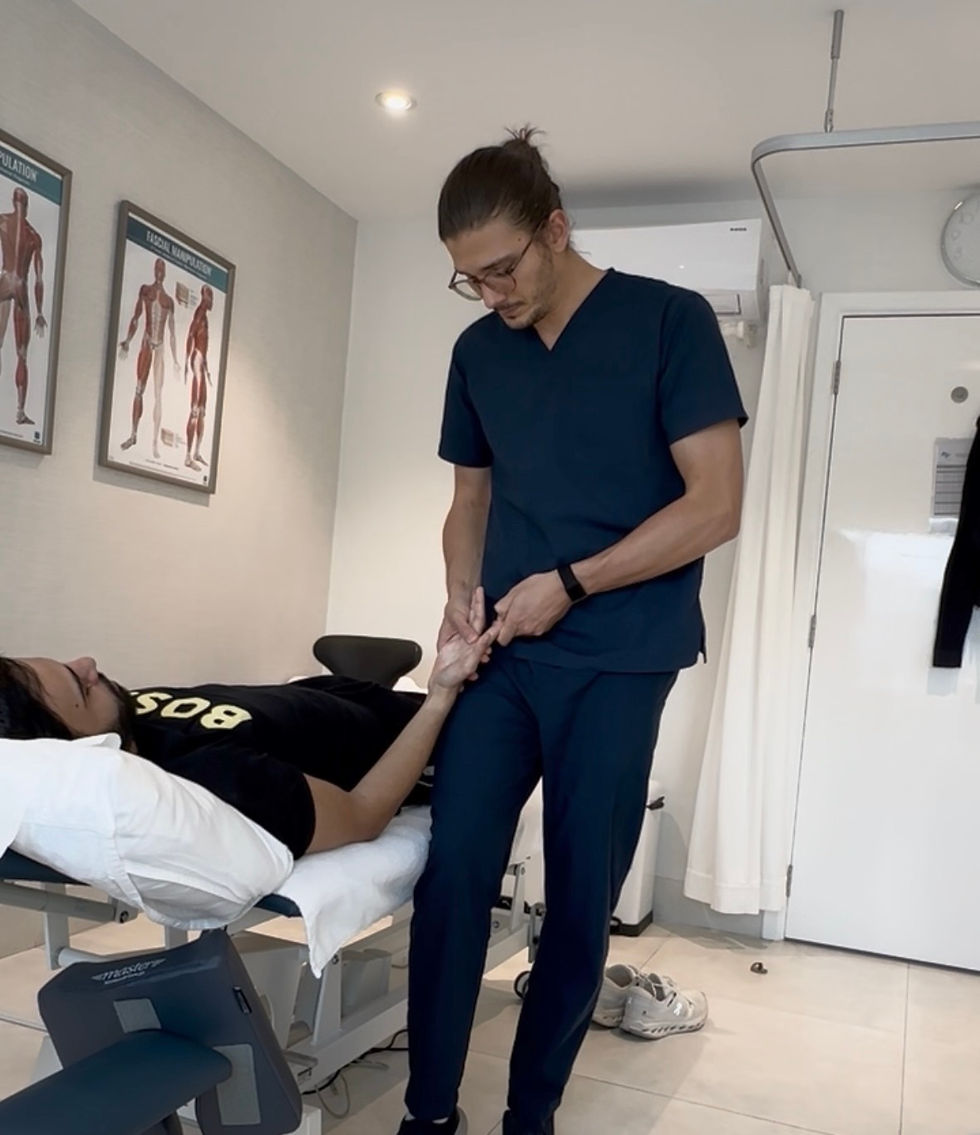
For low back pain that lingers after the wound heals, gentle rehab may help. If searching for physio Dubai, physiotherapy Dubai, or physical therapy Dubai, choose a licensed clinician who understands post-surgery recovery.
Do not start strong stretches or core exercises too early. The abdominal area needs time to heal.
The takeaway
Back pain after appendix removal is often due to gas, stiffness, posture, or muscle guarding. It should improve day by day. The chronic pain can appear as the result of rigid scar tissue, overprotectiveness, and altered breathing pattern.
Call a doctor if pain gets worse, feels severe, or comes with fever, vomiting, wound changes, breathing trouble, or nerve symptoms. When in doubt, get checked. Early care is safer than waiting.


Comments